
You Can’t Craft While Sprinting: The Lost “Takumi” Spirit in Software Engineering
Our obsession with 2-week sprints turned teams into feature factories. It’s time to bring craftsmanship back to code.
 AI-generated image
For years, our industry has been obsessed with one thing: Speed. "Move fast and break things."
"Done is better than perfect."
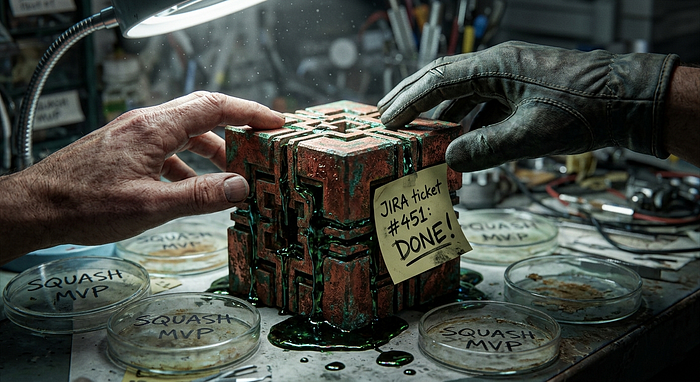
Thanks to these flashy Silicon Valley mottos, we've turned entire engineering teams into glorified "Feature Factories." In the span of a two-week sprint cycle, dragging a Jira ticket from "In Progress" to "Done" has become the sole metric of success.
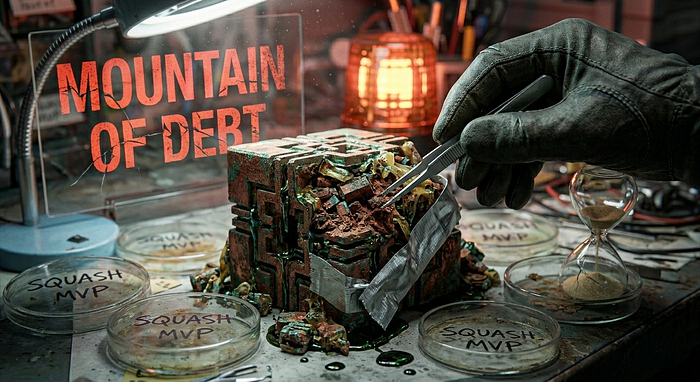
But what gets left behind when that ticket crosses the finish line? Spaghetti code, bloated architectures, and a fragile infrastructure held together by duct tape and warnings of "It works, but don't touch it or the whole thing crashes."
Because Agile methodology, without realizing it, killed the most sacred thing in software: The Takumi spirit.
A Lesson in Craftsmanship from Toyota: What is a Takumi?
In Japan, particularly on Toyota's production lines, there is a special class of master craftsmen. They are called Takumi. To become a Takumi, you must dedicate at least 60,000 hours (about 30 years) of practice to your craft.
When a Takumi assembles an engine block, they aren't just tightening a screw. They feel the temperature of the metal. They can hear microscopic rhythmic flaws in a running engine with their bare ears. In fact, the advanced robots in Toyota factories aren't programmed by software engineers; they are programmed by these Takumis. The machines learn to mimic their human precision. Takumi represents perfection, deep focus, and an unwavering respect for the craft.
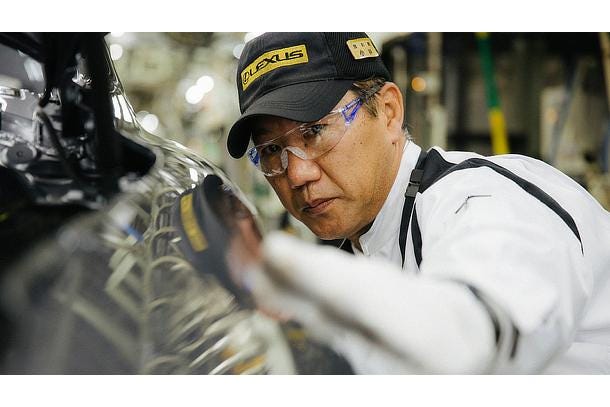 Image Credit: https://global.toyota/en/newsroom/lexus/26907779.html
You Can't Craft While Sprinting
Now, imagine taking one of these master craftsmen and dropping them into a modern software team.
Just as they are trying to nail down the architecture and implement the right design patterns, a Product Manager taps them on the shoulder: "Hey, is this going to be ready for the Friday release? Let's just squeeze this button in. Code quality doesn't matter right now, it's just an MVP. We'll refactor it later." (Spoiler alert: It never gets refactored).
This is the biggest lie of Agile sprints. It tells us we must constantly run. But a Takumi doesn't run. When a craftsman is rushed, they don't just compromise on quality — they lose respect for their profession. Arbitrary 2-week deadlines force engineers to write the "fastest working" (and usually the dirtiest) solution, not the "right" one.
The Real Cost of Speed: Mountains of Technical Debt
You might think you're shipping products by constantly sprinting, but what you're actually producing is Technical Debt. Every line of code where you killed the Takumi spirit comes back to haunt you 6 months later as a "system outage," a feature that takes weeks to build, or your best engineers resigning from burnout.
You can't cook a Michelin-star meal in a fast-food kitchen.
 AI-generated image
So, What Now? Do We Trash Agile?
No. But we have to stop reducing engineering to a mere "delivery speed" metric.
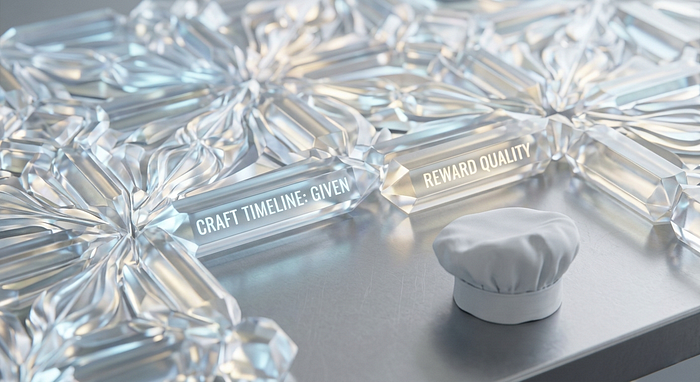
- Make Room for "Deep Work": Build dedicated "Takumi time" (Cooldown or Buffer weeks) into your sprint cycles, strictly reserved for quality, optimization, and refactoring.
- Reward Quality, Not Just Speed: Celebrate an engineer not just because they shipped a feature quickly, but because they made the codebase cleaner, more readable, and scalable.
- Listen to the Engineers: If a "master" tells you the infrastructure can't be built in two weeks, don't accuse them of being lazy. Give them the time their craft demands.
 AI-generated image
If you believe that the code you write shouldn't just "work" but should be elegant, sustainable, and crafted by a master's hand… maybe it's time to close that Jira board and spend some quality time with your codebase.