
Why Emotional Design Still Matters?
In an era where AI can write, draw, and even ‘feel’, emotional design isn’t just an aesthetic choice; it’s how products stay human.
 AI-generated image
Technology permeates every corner of our lives. Smartphones, wearables, autonomous vehicles, and AI-powered assistants surround us. We interact with thousands of products and services every day. But among this multitude, how many truly stay in our memories, make us smile, and even leave us in awe? This is where "emotional design" comes into play.
As we move towards 2025, functionality is a given. Users expect a product or service to do its job. However, exceeding this expectation is the only way to differentiate a brand from its competitors, build customer loyalty, and create unforgettable experiences. Emotional design is the key to achieving exactly this.
What Is Emotional Design?
Emotional design not only ensures that a product or interface is functional, but also aims to evoke specific emotional responses in the user. This could be satisfaction, trust, pleasure, or even entertainment. In his seminal book Emotional Design: Why We Love (or Hate) Everyday Things, renowned cognitive scientist and design expert Don Norman explains this concept at three main levels:
- Visceral Level: This is the immediate, subconscious response we experience when we first encounter a product. It relates to aesthetics, colors, texture, and overall appearance. This is where the perception of beauty comes into play. A product's design can make us feel "safe," "modern," or "enjoyable."
- Behavioral Level: This encompasses the experience we have while using the product. It includes usability, efficiency, and fluidity of interaction. The ease of use of an app and the smooth operation of a device create positive emotions at this level. The extent to which it helps the user achieve their goals is important.
- Reflective Level: This highest level represents the user's long-term relationship with the product and the meaning they attach to it. Our memories of a product, its cultural meaning, or how it aligns with our identity are at this level. For example, using a particular brand's products can be related to how a person feels about themselves or how others view them.
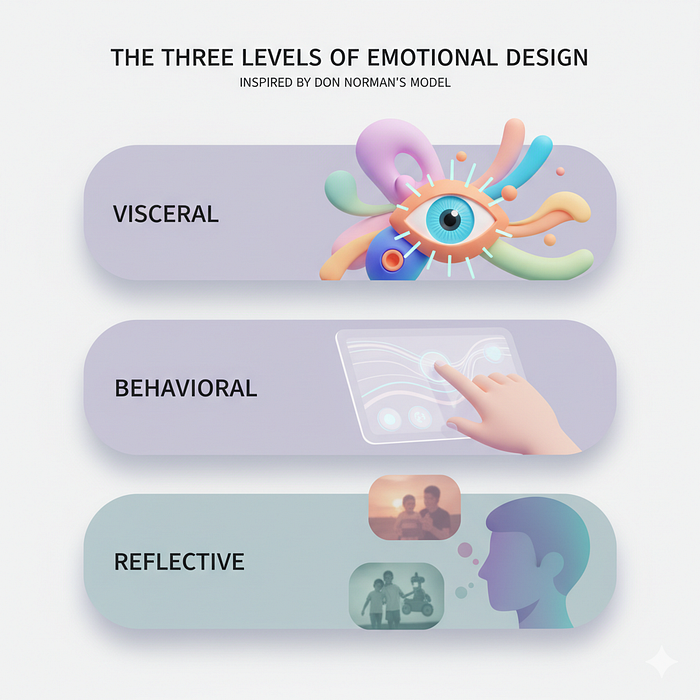 Adapted from Don Norman's Emotional Design Framework
When these three levels are considered together, designers can create products that will hold a lasting place in users' minds and hearts.
Why Emotional Design Still Matters in 2025?
As we move towards 2025, the importance of emotional design will continue to grow. But why?
1. Differentiating in the Competitive Landscape
Markets are now flooded with products and services with similar functions. A smartphone, a banking app, or an e-commerce website is often identical in its core functionality. In this case, the primary factor influencing a consumer's decision is how the product makes them feel.
- Unique Experiences: Emotional design can transform a standard shopping experience into a personal and enjoyable journey.
- Memorability: People tend to remember their emotional responses more than rational decisions. A brand that evokes positive emotions is more easily remembered than one that does not.
 AI-generated Image
2. Human Connection in the Age of Artificial Intelligence
With the rise of artificial intelligence (AI) and automation, many routine tasks will be performed by machines. This raises the expectation that human-machine interactions should be more "human." Users won't want technology to be cold and mechanical; rather, they will seek interfaces that approach them like a human, understand them, and even empathize with them.
- AI-Enabled Emotionality: AI algorithms can analyze user behavior to deliver personalized, more emotionally resonant experiences (e.g., Spotify's mood-based playlist recommendations).
- Trust and Loyalty: Especially on sensitive topics (health, finance), AI systems adopting an emotionally reassuring language and interaction model will strengthen users' trust in these technologies.
 AI-generated image
3. Brand Loyalty and Long-Term Relationships
Emotional connections not only drive sales but also drive repeat customer relationships. Users who develop an emotional connection with a brand are more likely to be loyal to that brand, recommend it to others, and be more understanding of potential issues.
- Storytelling: Emotional design allows brands to effectively tell their own stories and values. When users connect with these stories, they feel a part of the brand.
- Sense of Community: Emotionally designed products and experiences can create a sense of community among users, uniting them around shared values.
 AI-generated image
4. Changing User Expectations: Generation Z and Beyond
Generation Z and beyond are natural residents of the digital world and have much higher expectations for technology. They expect more than just functionality; they seek personalized, meaningful, enjoyable, and even entertaining experiences. For these generations, who are constantly exposed to new and engaging content through social media and content platforms, monotonous and emotionless designs will easily be overlooked.
 AI-generated image
Implementing Emotional Design: The Keys to the Future
So, how can we transform this abstract concept into a tangible design?
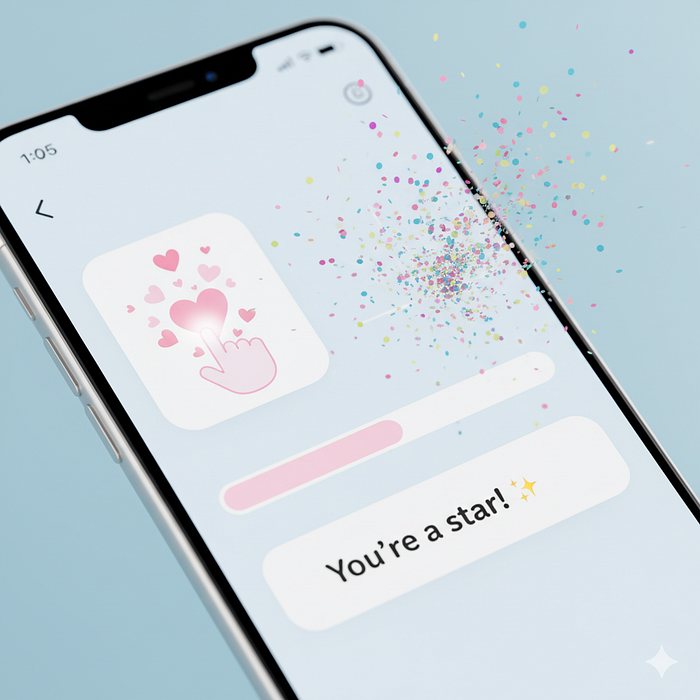
- Micro-Interactions: Details like the animation that occurs when a "like" button is pressed or a small congratulatory message that appears when a form is filled out can bring a smile to the user's face.
- Personalization: Offering experiences tailored to the user's preferences, past behaviors, and context makes them feel special.
- Empathy-Driven Design: Using user research and empathy maps to understand users' emotional needs and pain points and shape designs accordingly is critical.
- Storytelling and Brand Identity: Design should reflect the brand's personality and values, connecting with the user through an emotional story.
 AI-generated image
As we move towards 2025 and technology becomes more integrated into every aspect of our lives, emotional design is not just a luxury; it's a necessity. Creating functional products is no longer enough; we must create designs that touch users' hearts, provide them with meaningful experiences, and foster a deep connection with their brands.
The successful designers and brands of the future will be those who enrich the user experience by engaging not only logic but also emotion. Remember, people don't use a product or service solely for its function; how they feel while using it is equally important. Designs that touch users' hearts will shape the successful brands of the future.